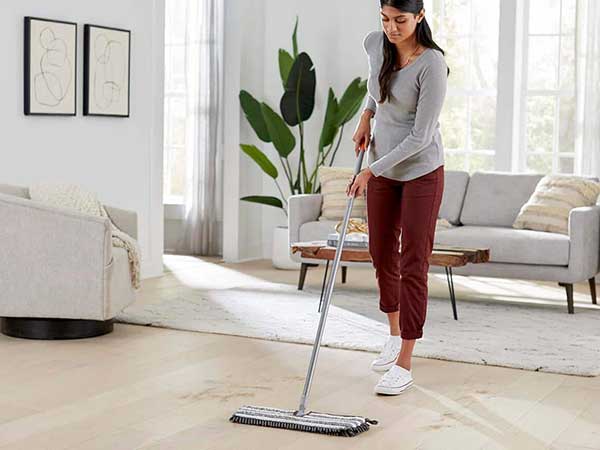
How to Clean Vinyl Floors
Vinyl floors are durable and easy to clean, requiring minimal effort for maintenance. This guide provides tips on how to care for vinyl flooring effectively, including the best cleaning agents, tools, and techniques to avoid damage and ensure lasting quality.
A clean vinyl floor can enhance the look of any room. The methods for cleaning vinyl may differ, as you can choose between natural solutions or stronger cleaners. Additionally, the guide explains how to remove stains. Vinyl plank flooring is made from materials like acrylic and PVC, featuring layers that provide water and dent resistance along with a protective coating.
Understanding Your Vinyl Plank Flooring
Before you grab a mop or cleaner, it’s important to understand what makes vinyl plank flooring unique and how its structure affects the way you clean it.
What Is Vinyl Plank Flooring?
Vinyl plank flooring is a synthetic flooring option that mimics the look of hardwood or stone. It’s made of multiple layers, including a wear layer that protects the design and adds durability. This makes vinyl plank flooring resistant to scratches, moisture, and stains—perfect for kitchens, bathrooms, and high-traffic areas.
Types of Vinyl Plank Flooring
- Luxury Vinyl Plank (LVP): Thicker, more durable, and often more realistic in design.
- Standard Vinyl Plank: Affordable and easy to install,but slightly less durable.
- Click-Lock: Planks snap together without glue; easy DIY installation.
- Glue-Down: Planks require adhesive; more permanent,but stable.
- Waterproof vs. Water-Resistant: Waterproof vinyl handles spills without warping, while water-resistant types are ideal for light moisture areas.
Understanding your flooring type ensures you choose the right cleaning tools and methods, keeping your floor in pristine condition.
How to Clean Vinyl Floors
Vinyl flooring should be dry-mopped or vacuumed weekly with average traffic, and even daily with high traffic. If dirt, sand, or chemicals build up it’s like sandpaper when people walk on the floors. Especially if you have pets. For deeper cleaning, damp-mop with a pH-neutral cleaner specifically for vinyl. To keep it simple, using simple household products will work. Dilute a solution of equal parts distilled white vinegar with water and two to three drops of dish soap. When mixing your own it’s safer to go with a lighter solution.
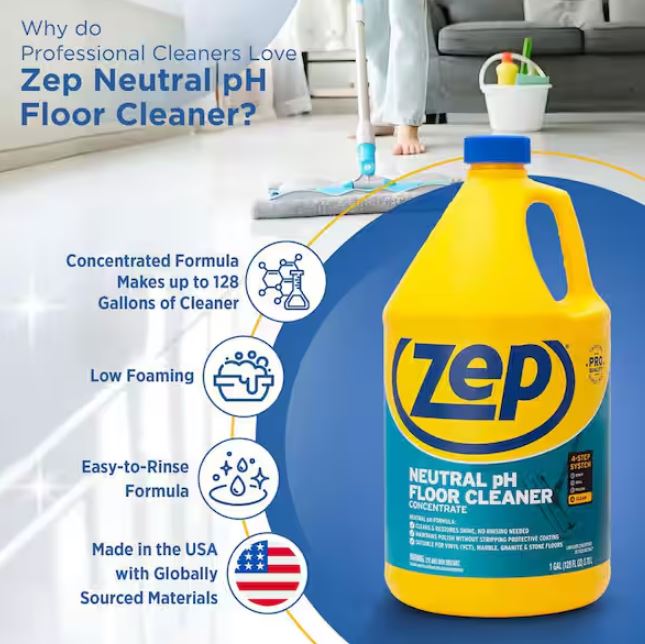
How to Clean Vinyl Floors with Floor Cleaners
A vinyl floor cleaner is safe and effective for most vinyl flooring, but you should check the manufacturer’s recommendations. Tile cleaners can also be used if they specify they are meant for vinyl. To remove light stains and dirt, use distilled water and a pH-neutral floor cleaner. Always follow the manufacturer’s instructions for the best results, avoiding soaking the floor since not all vinyl is waterproof. Use a small amount of water to prevent damage from seepage, and work with a lightly dampened cloth or mop, ensuring no puddles remain on the floor.
How Often to Clean Vinyl Floors
There’s no strict rule for how often to clean vinyl floors. Frequency depends on traffic levels and household factors, like having kids or pets, which may require more frequent cleaning. To avoid having to deep clean, or repair scratches, it’s best to clean with a dust mop often.
High and Low-Traffic Spaces
Sweep, dry-mop, or vacuum highly trafficked vinyl flooring at least once a week. Busy households, particularly in bad weather, might need daily or every-other-day cleaning to manage crumbs, dirt, and dust. This is crucial in active areas like entryways, kitchens, and main bathrooms. Less-used rooms may only need cleaning every two weeks or monthly.
Tools and Materials for Cleaning Vinyl Plank Flooring
Before you begin, here’s a comprehensive list of what to use to clean vinyl flooring:
- Dust Mop or Vacuum Cleaner: Dust mops I’ve found to be the simplest way to remove loose dirt and pet hair. A broom and dustpan or a vacuum cleaner is also essential.
- Microfiber Mop: These new microfiber mops work very well for cleaning vinyl plank flooring and captures dirt and grime without leaving behind lint or residue.
- Mild Soap or Vinyl Floor Cleaner: A ph-neutral floor cleaner or simply a few drops of dawn liquid in a bucket.
- Bucket:A bucket will be useful for mixing cleaning solutions and water for wet mopping sessions.
- Soft-bristled Brush or Sponge: For stubborn stains or dirt buildup, you may need a soft-bristled brush or sponge to gently scrub the affected areas.
- Terri-cloth towels: Pushing a damp terri-cloth towel over the floor picks up a ton of dirt and spills. Then just throw it in the wash!
Step-by-Step Guide: How to Clean Vinyl Plank Flooring
Now that you have the right tools, here’s a detailed, step-by-step process to clean your vinyl plank flooring effectively and safely.
1. Sweep or Vacuum
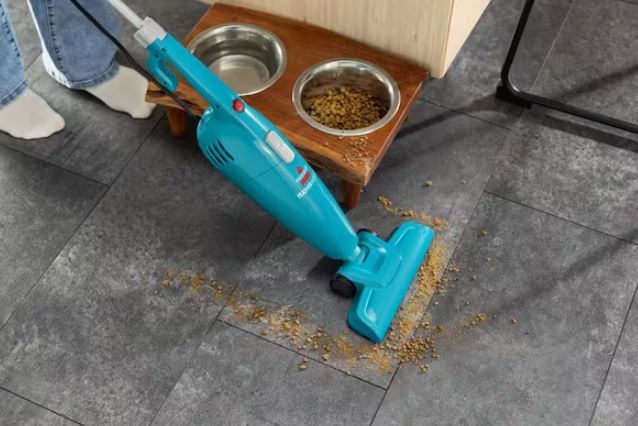
Start by removing loose dirt, dust, and debris from the floor. Use a dust mop or a vacuum, and the vacuum you choose doesn’t have to be top of the line. Home Depot has great low-cost options that work fine. Removing debris before mopping prevents scratches and ensures that the floor cleaner can work effectively.
2. Mix Cleaning Solution
In a bucket, combine warm water with a small amount of mild soap or a pH-neutral vinyl floor cleaner according to the manufacturer’s instructions. Avoid using too much soap, as excess suds can leave a sticky residue that attracts dirt. For natural cleaning, you can substitute vinegar diluted with water (1 part vinegar to 10 parts water). Stir the solution gently and make sure it’s evenly mixed before dipping your mop.
3. Mop the Floor
Dip a microfiber mop or cloth into the cleaning solution and wring it out thoroughly to prevent excess moisture from seeping between the planks. Mop the floor in a back-and-forth or figure-eight motion, working in small sections to ensure every area is cleaned. Rinse and wring the mop frequently, especially in high-traffic zones, to avoid spreading dirt around. Always mop along the length of the planks to maintain a streak-free finish.
4. Spot Clean Stains
For stubborn stains or spills, dampen a soft-bristled brush, sponge, or cloth with the cleaning solution and gently scrub the affected area. Avoid using abrasive scrubbers or harsh chemicals, as these can scratch, discolor, or damage the protective layer of your vinyl planks. For particularly tough spots like ink, crayon, or rust, test a small area first with rubbing alcohol or a mild baking soda paste before treating the entire stain.
5. Deep Cleaning
Periodically, especially in high-traffic areas or kitchens, a more intensive cleaning is recommended. Use a slightly more concentrated cleaning solution and a well-wrung microfiber mop to focus on areas that accumulate grime. Pay attention to entryways, under furniture, and areas near sinks or appliances. Avoid leaving excess water on the floor, as vinyl is water-resistant but prolonged moisture can cause warping or separation of the planks.
6. Rinse with Clean Water
After mopping, go over the floor again using clean, warm water to remove any remaining soap or cleaning solution. Rinsing prevents streaks and sticky residue that can attract dirt. Wring the mop thoroughly and work in small sections to ensure the floor is evenly rinsed without soaking it.
7. Dry the Floor
Finally, dry the floor thoroughly using soft towels or microfiber pads. This step prevents slips, water marks, and streaking while preserving the floor’s shine. Make sure the surface is completely dry before walking on it or replacing furniture. For large areas, you can also allow the floor to air-dry while keeping traffic off the space temporarily.
Robot Vacuums for Vinyl Plank Flooring
For busy households, robot vacuums offer a convenient and consistent way to maintain clean vinyl plank floors without spending hours sweeping or mopping manually.
Benefits of Using a Robot Vacuum
- Automated Daily Cleaning: Keeps dirt and dust from accumulating, ideal for homes with children or pets.
- Gentle on Vinyl: Soft brushes or beater-bar-free designs reduce the risk of scratches while still picking up debris effectively.
- Mopping Capabilities: Some models can vacuum and lightly mop simultaneously, saving time and maintaining a polished floor.
- Smart Navigation: Prevents collisions and scratches by carefully maneuvering around furniture and delicate surfaces.
- Consistent Maintenance: Provides regular, hassle-free cleaning without constant supervision.
Advanced Tips for Maintaining Vinyl Plank Flooring
To ensure that your vinyl plank flooring stays in top condition, follow these simple tips for maintenance:
- Routinely Vacuum and Mop: Maintaining the cleanliness and hygiene of your vinyl plank flooring requires regular vacuuming and mopping. If you want to make your life a lot easier with this cleaning routine, consider investing in an all-in-one wet dry robot vacuum like the eufy X10 Pro Omni.
- Use Doormats and Rugs: Place doormats at all exterior entrances to reduce the amount of dirt and debris that gets tracked onto your floors. Consider using area rugs in high-traffic areas to minimize wear.
- Protect from Sunlight: Prolonged exposure to direct sunlight can cause vinyl flooring to fade and discolor. Use curtains or blinds to control the amount of sunlight hitting the floors during peak hours.
- Lift Rather Than Drag: When moving furniture, lift it instead of dragging it across the floor to prevent scratches and scuffs. Consider using furniture pads under legs to further protect the flooring.
- Clean Spills Immediately: Spills should be cleaned up promptly to prevent staining. Wipe up any spills with a soft, damp cloth and clean the area with a vinyl-safe cleaner if necessary.
- Trim Pet Nails: Regularly trimming your pet’s nails can help prevent scratches and gouges on your vinyl flooring, keeping it looking smoother and cleaner.
Common Mistakes to Avoid When Cleaning Vinyl Plank Flooring
Vinyl plank flooring is durable and easy to maintain, but improper cleaning methods can lead to damage and reduce its lifespan. To keep your floors in top condition, avoid these common cleaning mistakes:
- Using Abrasive products or Harsh Chemicals – Avoid abrasive scrubbers, or harsh chemicals like ammonia and bleach. These will scratch, or even melt, the surface removing the nice sheen.
- Too Much Water – Vinyl plank flooring is water resistant but too much water will create mold or ruin the surface sheen. Avoid using a typical mop and bucket – just a damp mop will do.
- Steam Cleaners – People will try to sell you on steam cleaning your vinyl floors. There are too many problems to list here. It will often get in the cracks, and make it look dull. It will make it look good initially but not in the long run.
- Applying Wax or Polish – Vinyl plank flooring has a natural shine and does not require waxing or polishing. Wax or polish is typically applied to conventional vinyl tile floors – not the new modern luxury vinyl plank floors.
- Neglecting Regular Maintenance – Routine cleaning is critical and will help avoid deep cleaning, and surface wear.