Floor SellersFloor SellersFloor SellersFloor Sellers

Cart

  • Home
  • Wood Floors
    • Bamboo Flooring
    • Engineered Hardwood Flooring
    • Laminate Flooring
    • Solid Hardwood Floors
  • Carpet and Rugs
    • Area Rugs
    • Bath Mats & Rugs
    • Carpet Tile
    • Indoor/Outdoor
    • Wall-to-Wall Carpet
  • Tile Flooring
    • Ceramic Floor Tile
    • Porcelain Floor Tile
  • Vinyl Flooring
    • Luxury Vinyl Plank
    • Rigid Core Vinyl
    • Vinyl Sheet
    • Vinyl Tiles
    • Garage Flooring
  • Building Materials
    • Underlayment & Padding
    • Flooring Tools
    • Floor Cleaners
    • Pavers and Outdoor
  • Inspiration
    • Cleaning
    • How-To
    • Flooring Reviews
    • Types of Flooring
Oregon Floor Trends

End Grain Wood Block Flooring: Rare Beauty Worth The Attention

  • 0 comments/
  • October 19, 2026

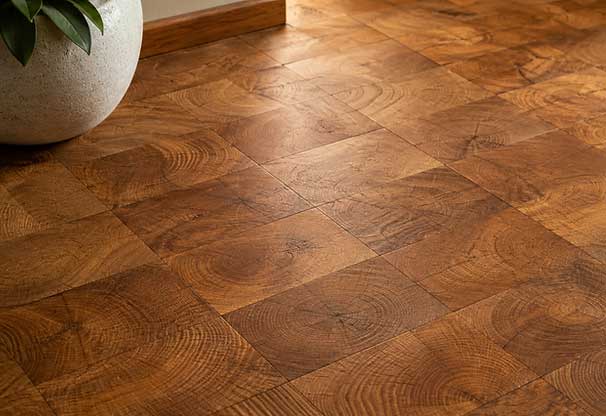
End grain wood block flooring is a unique style of hardwood flooring that showcases the cut ends of wood blocks rather than the long grain typical of traditional planks. This flooring is also known as end cut wood flooring, wood block flooring, or end grain tile flooring due to its resemblance to tile once installed.

I first fell in love with end grain products when I saw end grain cutting boards. Now professionals are bringing it to table tops, and entire floors. End grain wood block flooring is made from small blocks of wood cut across the grain. Instead of installing long boards, the flooring is arranged in individual blocks, squares, or patterned pieces.

The visible surface is the end of the wood, not the side. That is what gives this flooring its signature look.
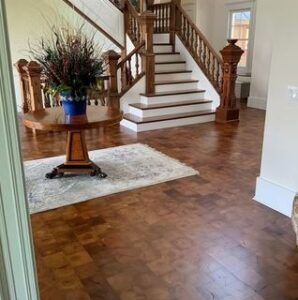
Kaswell Flooring Systems

Kaswell Flooring Systems

It offers a distinctive look featuring visible growth rings, natural variations, a handcrafted feel, a strong geometric pattern, and a warm, organic ambiance. This type of flooring has been used in various settings including historic buildings, commercial spaces, and custom homes because of its durability and special design.

End Grain Tile Flooring

The term “end grain tile flooring” is sometimes used because the finished look can mimic tile, with the blocks arranged in different patterns. However, it remains wood flooring, which means it has the warmth and texture of wood rather than the hardness of ceramic or porcelain tile. Since wood behaves differently than tile, homeowners may prefer end grain flooring for its warmth while still maintaining a tiled appearance.

In a home, end grain flooring provides a robust visual pattern, creating an artistic and custom feel. The overall look depends on factors such as the species of wood, block size, finish color, layout pattern, sheen level, room size, and lighting. In modern homes, this flooring can add character without needing bright colors, while in rustic homes, it reinforces a natural feel. Central Oregon homes can particularly benefit from this style, as it complements stone fireplaces, wood beams, neutral colors, and metal accents.

End grain wood block flooring is best suited for areas where its design can be showcased and where homeowners can manage wood maintenance.

Ideal locations include:

  • living rooms
  • home offices
  • dining areas
  • focal point in spaces like studies or entry areas where the flooring can enhance visual appeal.

However, caution is needed in moisture-prone areas like bathrooms, kitchens, or laundry rooms, due to wood’s susceptibility to water damage. While it can sometimes be used in these spaces, careful consideration of product type, finish, installation, and maintenance is crucial. Alternative flooring options like porcelain tile or luxury vinyl might be preferable for high moisture areas.


The advantages of end grain wood block flooring include its unique visual character, warmth underfoot compared to colder materials like tile, strong design impact that enhances room aesthetics, natural material appeal, and a timeless style that stems from quality craftsmanship.

On the downside, end grain wood flooring may not suit every project. Not all installers are familiar with this type of flooring, which requires careful attention to installation details such as pattern layout and finishing. The cost can also be higher than that of standard flooring due to the specialized nature of the material and labor involved. Additionally, like all wood floors, end grain flooring demands regular maintenance, including protection from excess moisture, proper cleaning methods, and periodic refinishing to preserve its appearance over time.

Cost of End Grain Flooring
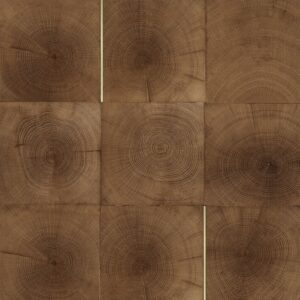
Shaw LVT End Grain

GoHardwood.com

Cost of the materials varies widely. This is due to so many sources of end grain wood.

Luxury Vinyl / Print End-Grain is basically simulated end grain flooring that is not more than the average luxury vinyl flooring – about $3.99/ft. and up. Shaw makes a nice product for this, but it’s not real wood.

Solid Wood Block / Custom End-Grain (Oak, Pine, Douglas Fir, or Reclaimed Lumber): Varies heavily by block face size, depth, and species. Reclaimed or specialty timber blocks (such as Douglas fir or custom oak patterns) often range from $4 per individual block up to $13–$25+ per square foot for high-grade solid installations.

I’ve seen end grain blocks, cut from reclaimed Douglas Fir posts, that go for $4/per block. These vary in quality and a lot of the end results you’ll see depends on the installation and finishing. However, you can find all types of reclaimed species of wood cut into flooring blocks. Or, you can always cut them yourself.

End grain tiles: If you love the look of end grain flooring but want the durability of porcelain tile there are options that look
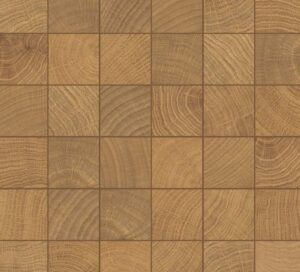
Tilefy End Grain Tile

Tilefy.com

convincingly like real wood with tiles. Easy to install, at about $8-$12/sq. ft. Tilefy (pictured here) has a very nice product.

Possible Drawbacks to Consider

End grain wood block flooring is not for every project. Homeowners should consider the practical side before choosing it.

It can require special skills –
Installing, and finishing, end grain floors is unlike traditional wood floors and requires unique skills.

Typically Costs More Than Standard Flooring – 
Labor and materials are more specialized, therefore end grain flooring may cost more than traditional plank hardwood.

Maintenance –
Like other wood floors, end grain flooring needs care. Even more maintenance if your end grain floor is from reclaimed wood. Homeowners should avoid excessive moisture, and use proper cleaning methods.

Product Availability Can Vary –
It’s not as easy to find end grain flooring, or contractors who have the skills to install and finish them. However, since they’re becoming more popular materials are easier to come by. Pro tip: Be sure to purchase about 20% more than your measurements in case of damage – spare materials are not easy to come by.

Where to get end-grain flooring
Oregon Lumber Co.

TileFY (tile)

Kaswell Flooring Systems


  • Under : Types of Flooring

Natural Bamboo Flooring

Bamboo Flooring Buyers Guide

  • 0 comments/
  • August 27, 2026

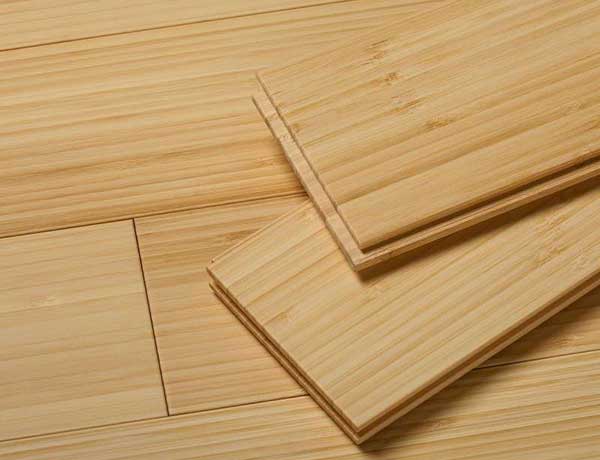
We’d like to provide comprehensive overview of bamboo flooring, detailing its advantages, types, durability, and considerations for purchasing. Bamboo is a fast-growing grass that offers an eco-friendly alternative to traditional hardwood flooring, appealing to environmentally conscious homeowners. Our guide here explains different types of bamboo flooring, which include horizontal, vertical, and strand-woven options, each with unique characteristics.


Read More

  • Under : Flooring Reviews

Which Kitchen Floor Tiles Are Best? Kitchen Design Ideas

  • 0 comments/
  • August 16, 2026

Cover Photo: MyStoneFloor.com – Dorchester Aged White Stone Effect Porcelain Tiles (staff favorite)

Buying floor tile for your kitchen, or any other room, seems like the easiest thing to do – just measure the area, pick out what you like, and buy it. But it’s not all that simple, especially when the room your buying for is your kitchen. Explore kitchen flooring options from porcelain tile, natural stone, or large format tile selections for your home.

Read More
  • Under : Flooring Reviews, Types of Flooring

How to Clean Vinyl Floors

  • 0 comments/
  • June 8, 2026

Vinyl floors are durable and easy to clean, requiring minimal effort for maintenance. This guide provides tips on how to care for vinyl flooring effectively, including the best cleaning agents, tools, and techniques to avoid damage and ensure lasting quality.

Read More
  • Under : Cleaning, How-To

Polyaspartic Floor Coatings: 5 Reasons Polyaspartic is the Best Choice

  • 0 comments/
  • January 10, 2026

When choosing between epoxy and polyaspartic garage floor coatings, it’s important to understand their differences. Both are durable and attractive, but knowing their application, pros, and cons will help you make the best choice. I’ve painted quite a few floors and polyaspartic floor coatings are by far the best!

Read More
  • Under : How-To, Types of Flooring

Coretec Pro Plus Cardington Walnut Vinyl Flooring

Vinyl Plank Floor Brands That Look Like Real Wood

  • 0 comments/
  • April 17, 2025

Luxury vinyl plank floors are often overlooked when choosing the best flooring options. However, with the right product and when installed correctly synthetic planks can have the beauty of natural hardwood without any downsides.

Read More
  • Under : Flooring Reviews

What is a Stone Carpet?

  • 0 comments/
  • December 18, 2024

Swimming pools with carpets? Doesn’t that sound good? Indeed. Provided, of course, we’re referring to carpets made of stone granules.

Read More
  • Under : How-To, Types of Flooring

How Important is Janka Rating – Avoid These Pitfalls When Using Janka Hardness Scale to Choose Flooring

  • 0 comments/
  • November 12, 2024

Janka rating is a measurement of a wood’s resistance to dents and scratches, and is used to determine its suitability for various projects – including floors. But don’t be mislead. Janka rating doesn’t tell the whole story. Learn how to choose the most scratch resistant and durable hardwood flooring.

Read More
  • Under : Types of Flooring

Hardwood Floor Patterns that Pop

  • 0 comments/
  • March 2, 2024

Cover Photo: WalkThePlankFlooring.com

A great way to add appeal to your new wood floor is with an atypical pattern. Creative wood floor patterns are trending. They add sophistication and are easy to install. Take an ordinary wood floor and make it awesome.

Read More
  • Under : Types of Flooring

Flooring Underlayment

How to Choose Floor Underlayment

  • 0 comments/
  • December 7, 2023

Sound Proofing, Cushioning, and Moisture Barriers. Learn the different types of floor underlayment, which one is best for your floor, installation, and recommendations.

Read More
  • Under : Flooring Reviews, Flooring Supplies

123
Categories
  • Cleaning
  • Flooring Reviews
  • Flooring Supplies
  • How-To
  • Types of Flooring
Advertisement:
Recent Posts
  • End Grain Wood Block Flooring: Rare Beauty Worth The Attention
  • Bamboo Flooring Buyers Guide
  • Which Kitchen Floor Tiles Are Best? Kitchen Design Ideas
  • How to Clean Vinyl Floors
  • Polyaspartic Floor Coatings: 5 Reasons Polyaspartic is the Best Choice

Disclosure:
Floor Sellers is advertiser and reader-supported. We sometimes use affiliate links in our content. This does not cost our readers anything.

Privacy Policy

SiteLock

FTC Disclosure

Copyright © 2025 FloorSellers.com - All Rights Reserved